
EMPOWERING THE NEXT GENERATION OF INVESTORS
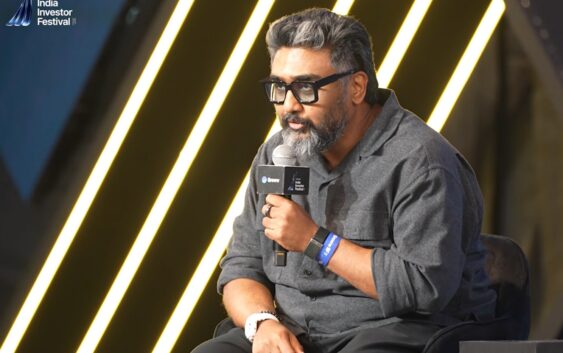

To mark a decade of empowering retail investors, Groww hosted the Groww India Investor Festival ’26—a premier full-day finance summit designed to inspire individuals to take charge of their financial futures. The event brought together some of the brightest minds shaping India’s financial markets, offered a dynamic mix of market education, expert analysis, and networking.
The festival provided an inclusive platform tailored for both first-time investors and seasoned market participants. Attendees gained access to keynote addresses, panel discussions, and intimate fireside chats led by market leaders, industry experts, and top financial creators. Beyond theoretical insights, the festival focused on actionable wealth-creation strategies and current market trends.
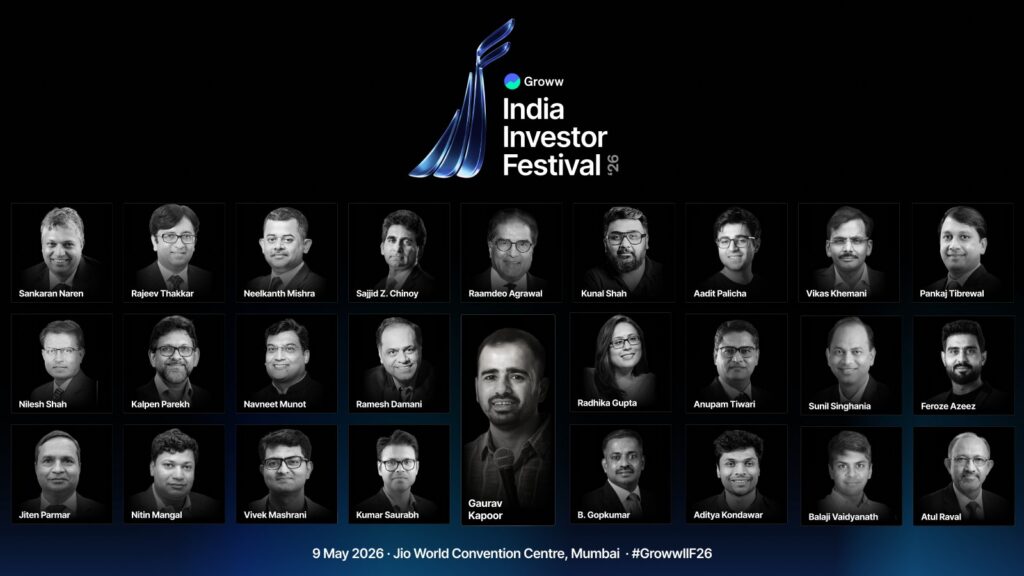
Participants explored interactive workshops, experiential zones, and exhibition spaces centered on practical financial planning and emerging investment opportunities.Whether you are just starting your wealth creation journey or refining an advanced portfolio strategy, the Groww India Investor Festival ’26 served as a comprehensive gateway to navigating India’s evolving financial landscape with confidence.
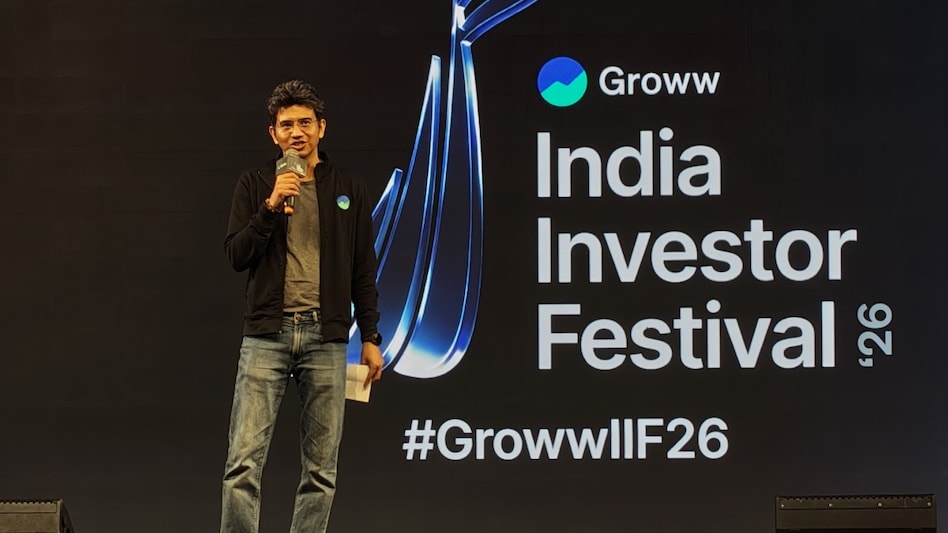
At the Groww India Investor Festival 2026, CEO Lalit Keshre highlighted a structural shift in India’s retail investing, driven by increased participation from young investors utilizing SIPs and a surge in women building independent portfolios. This boom is fueled by digital adoption, making investing more accessible while causing households to move from physical assets toward market-linked instruments.
“A lot of young folks have come into the markets,” Keshre said at the event. “India is young, and that itself takes care of the fact that many young investors are coming into the market.”
At the Groww India Investor Festival 2026, CEO and Co-founder Lalit Keshre highlighted a massive demographic transformation in India’s retail investing ecosystem, driven by a surge in young and female investors who are prioritizing long-term wealth creation over traditional physical assets like gold and real estate. This paradigm shift is heavily supported by a growing “SIP culture,” with monthly systematic investment plan inflows exploding from ₹3,000 crore to more than ₹30,000 crore over the last decade, alongside a parallel expansion of total mutual fund assets under management from ₹12 lakh crore to over ₹80 lakh crore. Furthermore, women now make up nearly 25% of the total investor base, demonstrating increasing financial autonomy through disciplined, goal-based planning.
Keshre also emphasized the geographic democratisation of capital markets, noting that investment activity is no longer isolated to Tier-1 metropolitan hubs but is rapidly expanding across Tier-2 and Tier-3 cities in states like Uttar Pradesh, Bihar, and regions in the Northeast. This regional inclusion has been structurally accelerated by extensive smartphone penetration and frictionless digital KYC processes. Beyond financial markets, Keshre detailed how Groww is expanding its social footprint by leveraging its Pro Foundation to fund academic research, scholarship initiatives, and deep-tech innovation through strategic partnerships with premier institutions like IIT Bombay and IISc Bengaluru.

In a Groww India Investor Festival 2026 keynote, Kunal Shah argues that India’s lack of a native “time-efficiency” culture poses a major hurdle to wealth creation. He warns that AI will severely widen income disparities between those who use it for leverage and those who do not, urging individuals to take responsibility for their own upskilling.
AI has shifted the global landscape from accessible information to accessible intelligence, systematically eliminating tasks that rely purely on basic execution. The primary threat of this era is not immediate mass unemployment, but a massive widening of the income gap between individuals who actively leverage technology and those who remain passive. This shift heavily impacts global outsourcing dynamics, as international firms move away from delegating baseline tasks to low-cost countries and instead transition those processes directly to autonomous AI agents. Furthermore, entry-level, task-oriented roles are being squeezed out, threatening the traditional corporate ladder where fresh graduates historically honed their skills to become middle managers.

Within tech ecosystems, a distinct separation is occurring where the top 10% of workers are utilizing AI to scale their personal productivity exponentially, essentially becoming a different professional species. To survive this hyper-disruptive wave, professionals must adopt an “apex predator” mindset modeled after evolutionary survivors like sharks and crocodiles. This requires three critical traits: the ability to control personal metabolism by managing burn rates and staying lean, a deadly strike rate to execute flawlessly when high-value opportunities appear, and extreme adaptation to weather major systemic shocks. Relying on external entities like corporations or governments for upskilling is a failing strategy in an environment driven by rapid technological change.

Navigating this future requires treating your career like a high-growth stock or a software application by relentlessly enhancing features, fixing personal bugs, and accelerating your learning timeline from years to mere days. Growth is heavily anchored by your immediate network, meaning individuals must prune stagnant connections to protect their personal compounding rate. Strategic learning should also be generationally segmented: professionals are better off learning rapid technological execution from younger peers, while strictly seeking out older generations for foundational values and long-term principles. Ultimate wealth creation relies on building deep personal substance and accepting short-term sacrifice rather than hunting for shortcuts or financial lotteries.
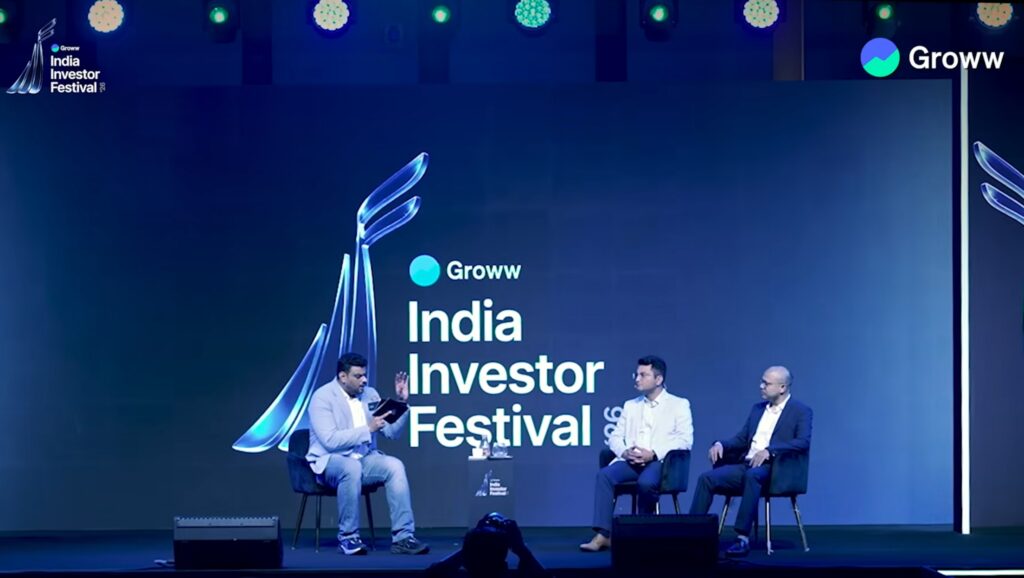
“The Technofunda Playbook” panel – Vivek Mashrani and Kumar Saurabh joined host Vishwanath Nair to deconstruct “The Technofunda Playbook.” at the Groww India Investor Festival 2026. Advocated for using fundamental analysis to select high-growth businesses and technical analysis for precise timing, utilizing tracking positions and structured exit points. The strategy emphasizes managing risk by separating investment decisions from emotional anchoring, allowing for pyramiding into winning positions.
“The Technofunda Playbook” panel emphasizes that true alpha is generated by riding winners, as approximately 20% of winning stocks drive 80% of a portfolio’s total returns. While finding stock entries presents a problem of abundance, execution on the exit side is far more challenging due to psychological anchoring and emotional attachment to the companies held. To overcome these behavioral biases, the experts advocate for system-based, scientific investing frameworks that use disciplined technical exit parameters to remove human emotion from trading decisions.

To effectively manage portfolio risk and avoid value traps, investors should implement a “core and satellite” strategy alongside tiny tracking positions. The core portfolio focuses on long-term compounders utilizing monthly charts to ride structural cycles that can last over a decade. Meanwhile, the satellite portfolio captures emerging medium-term trends using weekly charts, requiring highly alert entry and exit execution.. Entering a stock with an initial 1% tracking position allows investors to test the waters safely, gradually pyramiding into the position only as fundamental metrics and price action validate the thesis.

When navigating divergences between a stock’s price action and its strong fundamentals, relative market strength and liquidity are the most critical factors. True sector re-ratings are identified by tracking institutional money flow, shifted profit pools, and improving corporate communications like sudden investor conference calls. If a divergence lasts for months, investors should wait for technical demand confirmation before deploying heavy capital. Additionally, technical analysis must be applied cautiously, as it fails in highly illiquid or ultra-small-cap stocks where prices are easily manipulated by a few market participants.

The Groww India Investor Festival 2026 masterclass, featuring industry leaders Nilesh Shah, Navneet Munot, and Kalpen Parekh, emphasized that building long-term wealth requires discipline beyond automated SIPs, advising investors to ignore daily market noise and avoid chasing short-term fads. The panel cautioned against expecting linear, extraordinary returns from the recent bull market, highlighting that patience is crucial for navigating market volatility. To achieve sustainable compounding, the managers advocated for strict asset allocation and managing behavioral biases during downturns.
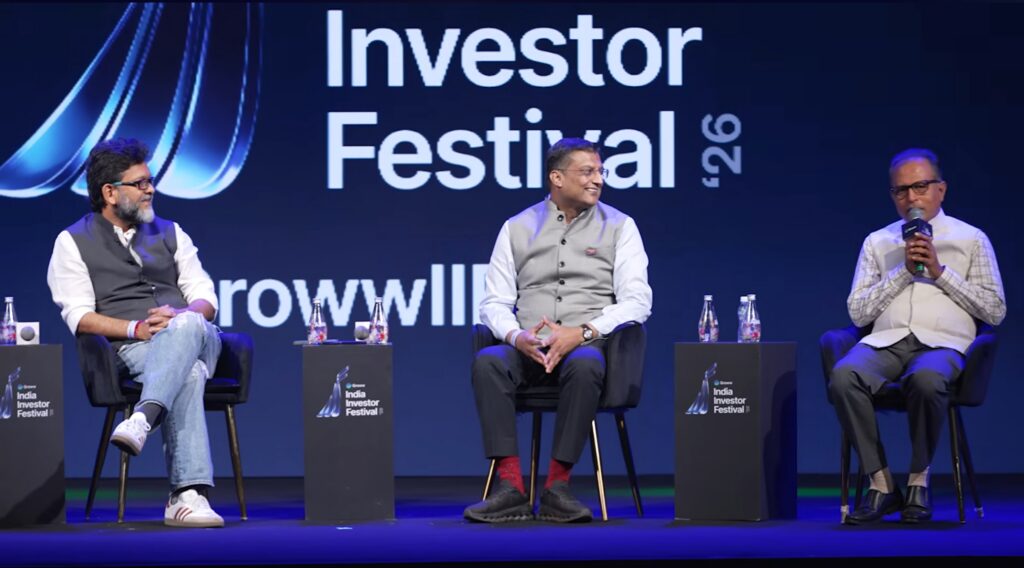
Key Takeaways from the Panel
Patience is the Ultimate Wealth Driver: Moderated by Ms. Ayesha Faridi – Executive Editor at ET Now and ET Now Swadesh, the panelists – Mr. Nilesh Shah, Managing Director of Kotak Asset Management Company; Mr. Navneet Munot, Managing Director & CEO of HDFC Asset Management Company; and Mr. Kalpen Parekh, Managing Director & CEO of DSP Mutual Fund.
The panel highlighted the importance of a long-term perspective. Mr. Navneet Munot encapsulated the core philosophy of wealth creation, noting, “The stock market is a device for transferring money from the impatient to the patient.”
Avoid Chasing Unrealistic Returns: The titans of the asset management industry cautioned investors against extrapolating the extraordinary returns of the recent bull market into the future. While they remain highly optimistic about India’s long-term growth trajectory, they warned against expecting linear, uninterrupted gains.
Ignore Market Noise: Retail investors were strongly advised to block out daily media noise and sectoral fads. Successful equity investing relies heavily on sound financial fundamentals and holding steady through inevitable market cycles.
The Power of Asset Allocation: True diversification and consistent asset allocation are what shield portfolios during extreme market volatility.
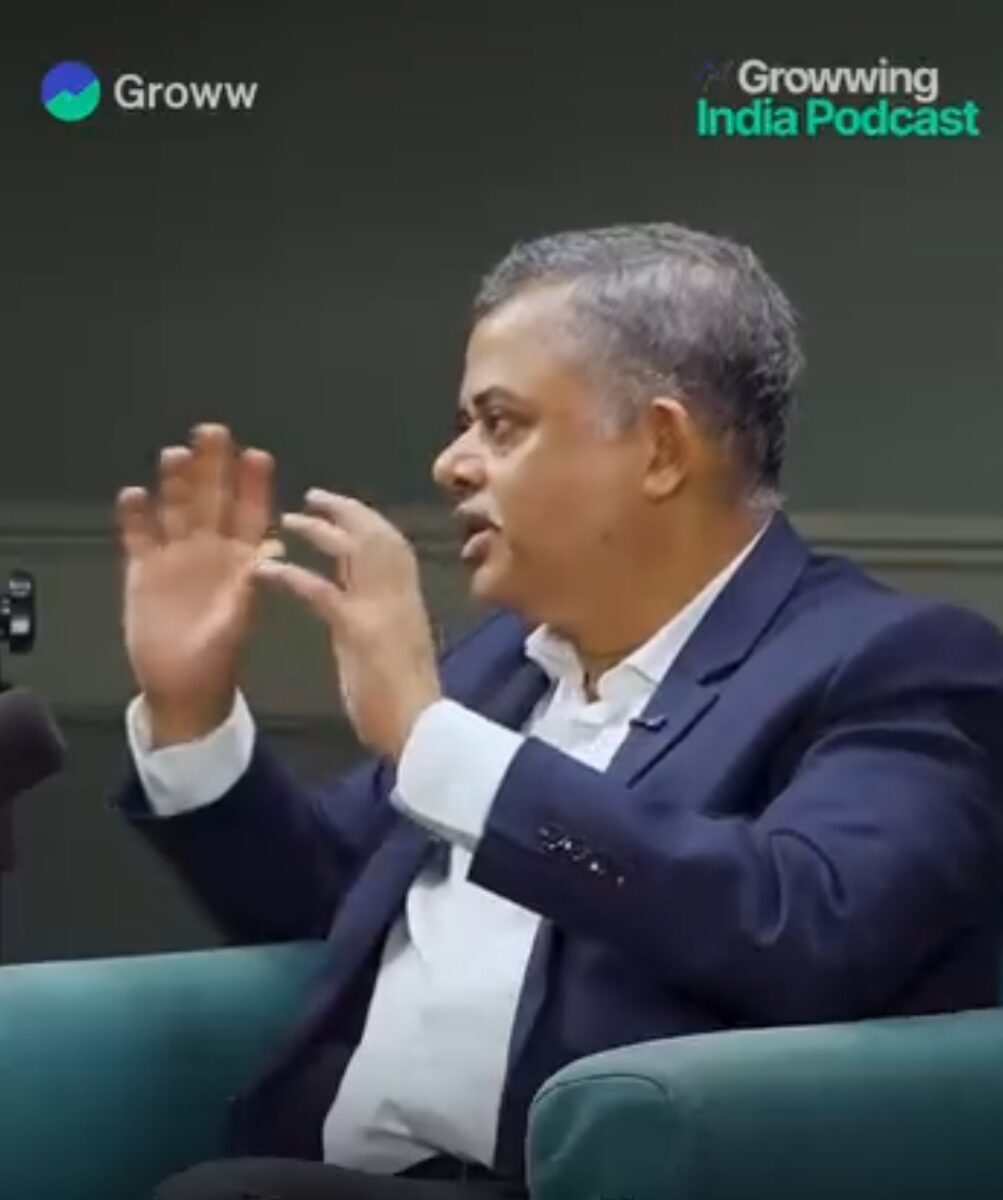
At the Groww India Investor Festival ’26, Neelkanth Mishra (Chief Economist, Axis Bank) discussed India’s macroeconomic resilience and market outlook. Speaking alongside Dr. Sajjid Chinoy, he addressed the theme “The stress test: Can India’s story survive what’s coming?”His sessions analyzed how India can sustain economic momentum amid global uncertainty, focusing on structural growth drivers, policy clarity, and capital allocation. He emphasized that navigating market cycles and global economic fragmentation requires a keen focus on systemic resilience rather than short-term noise.
His sessions analyzed how India can sustain economic momentum amid global uncertainty, focusing on structural growth drivers, policy clarity, and capital allocation. He emphasized that navigating market cycles and global economic fragmentation requires a keen focus on systemic resilience rather than short-term noise.
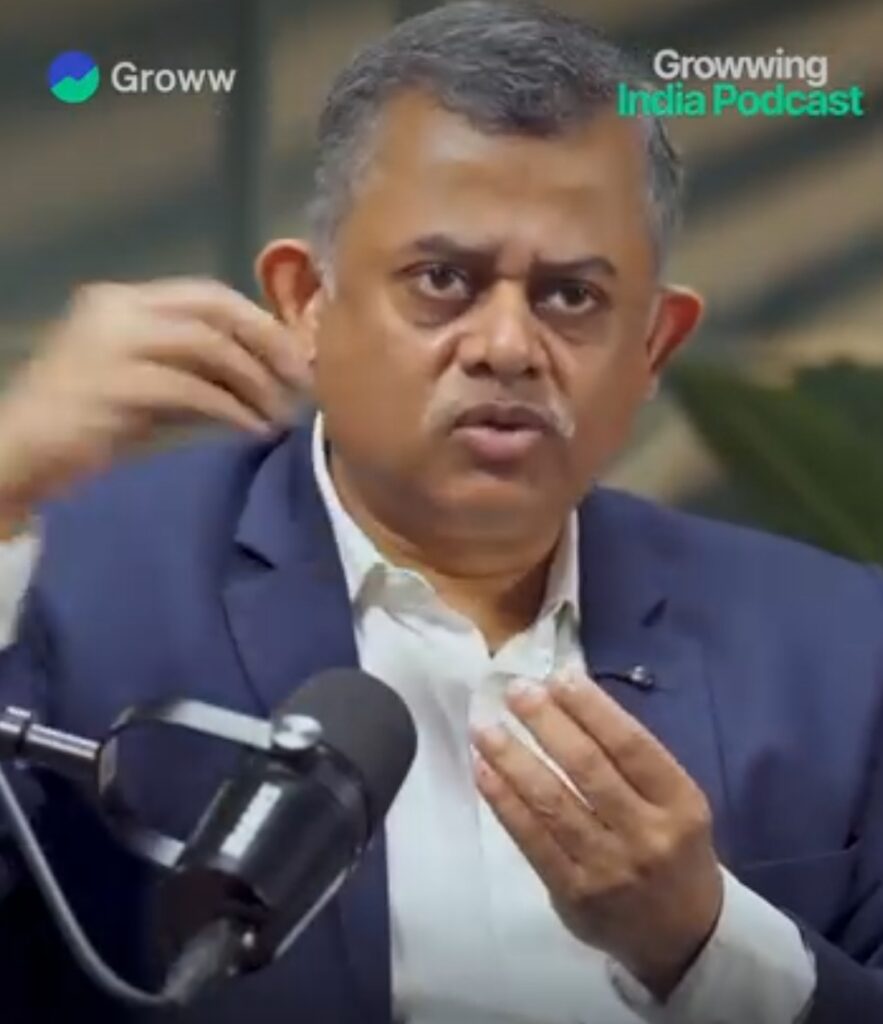
His core takeaways emphasized a robust defense against global risks and long-term domestic structural strengths:
Global Vulnerability & Capital Flow: Mishra warned that the “single biggest macroeconomic risk for India” is a significant disturbance to global capital flows. With major global powers facing structural challenges, capital flight remains a real threat to emerging markets.
Energy & Oil Shock Resilience: Despite the severe $80 billion terms-of-trade shock from elevated crude prices, Mishra highlighted that India’s domestic demand, structural reforms, and refining surplus can sustain a strong GDP growth rate.
Strong Labor Force & Investment Cycle: India’s structural tailwinds include a sharply growing workforce and increasing labor force participation rates, particularly driven by improved rural infrastructure. Furthermore, a turning investment cycle—powered heavily by real estate and power generation—will fuel the economy.
Structural Reset from Tax Reforms: Reforms like GST are forcing supply-chain optimizations. While they cause short-term margin pressures, they ultimately favor businesses with pricing power and scale, making them more resilient in the long run.
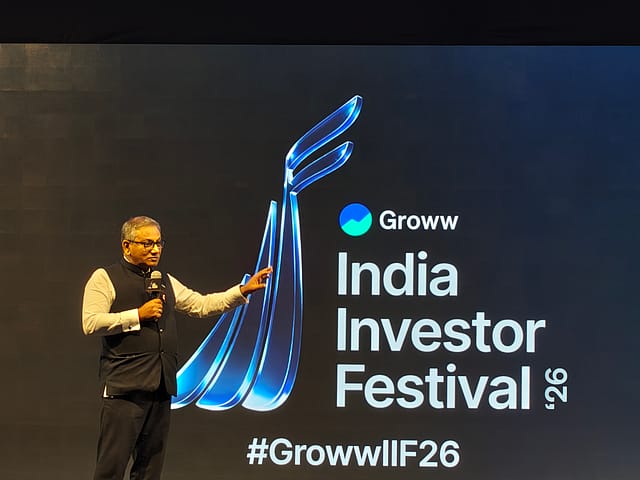
BSE MD & CEO Sundararaman Ramamurthy emphasizes that digital innovation has democratized Indian markets, enabling widespread financial inclusion and shifting towards transparent, accessible, and tech-driven platforms. He advises retail investors to shun the pursuit of quick wealth, instead exercising discipline, ignoring market noise, and adopting a long-term, research-based approach to wealth creation.
1. Short-Term Market Noise
Daily price fluctuations, global news cycles, and speculative hearsay that trigger sudden market volatility.Impact: Causes panic selling or irrational buying based on unsubstantiated rumors.The Antidote: Ramamurthy noted that market crises are cyclical. True wealth creation requires ignoring daily macro swings and focusing strictly on business fundamentals.
Strong opening perspective on separating signals from noise while participating in India s long-term growth journey. Patience, research, and conviction continue to be underrated advantages in investing.
BSE MD & CEO Sundararaman Ramamurthy urged investors to ignore short-term market noise and avoid chasing overnight wealth, advocating for research-backed, long-term conviction. Highlighting the democratization of Indian markets, he noted a massive influx of retail investors driven by digital platforms.
Sundararaman Ramamurthy, MD & CEO of BSE, reflected on how India’s stock market, avoid noise, stay disciplined; don’t chase overnight wealth. Digital platforms are democratising investing; BSE CEO explains …Retail participation Highlighting the scale of investor growth, Ramamurthy said India added nearly 3.5 crore new investors this year.
India’s markets have transformed into an accessible, digital-driven platform for retail investors despite high volatility. He emphasized that long-term wealth creation requires ignoring market noise and deepfakes while maintaining investment discipline.
2. Social Media Speculation
Deceptive stock tips, “get-rich-quick” schemes, and coordinated pump-and-dump commentary across open platforms.Impact: Manipulators flood social media channels to artificially inflate volume and trap retail buyers.The Antidote: Avoid chasing overnight wealth fantasies. Ramamurthy famously joked that if investors want to turn everything they touch into gold overnight, they should simply “eat well, go to sleep, and dream.”
3. AI-Driven Deepfakes
Sophisticated, unauthorized audio-visual impersonations of trusted financial leaders generated using artificial intelligence.Impact: Fraudulent videos—including multiple resurfaced deepfakes of Ramamurthy himself—falsely claim to provide multi-fold stock gains or invite users to private WhatsApp and Telegram channels.The Antidote: Apply absolute skepticism. Ramamurthy’s primary rule for synthetic media is simple: “What is difficult to believe, don’t believe.” BSE officials never issue direct stock recommendations or host private messaging advice groups.
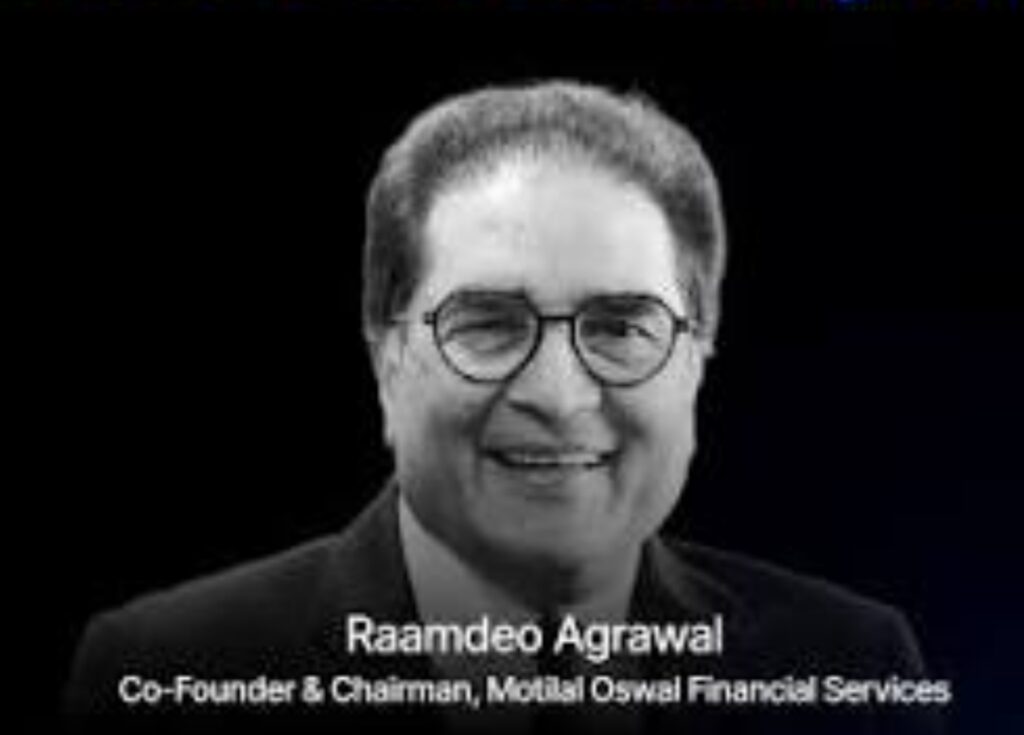
Raamdeo Agrawal’s session at the Groww India Investor Festival ’26 outlined a framework for identifying 100x multibaggers by applying the QGLP formula: Quality of business and management, Growth in earnings, Longevity of competitive advantage, and Price.
His core playbook for achieving exponential wealth generation includes the following actionable strategies:
The QGLP Framework: Focus on finding businesses with high Return on Equity (ROE) and scalability. Growth without quality leads to capital destruction, while quality without growth limits multibagger potential.
Power of Compounding: Agrawal highlighted compounding as the ultimate wealth creator. Doubling your money every three years yields a 1,000x return over 30 years, requiring immense patience to let the investment grow.
Buy Right, Sit Tight: The most difficult part of investing is not finding great companies, but holding them long enough. Selling too early strips investors of the long-term tax-free compounding benefits.
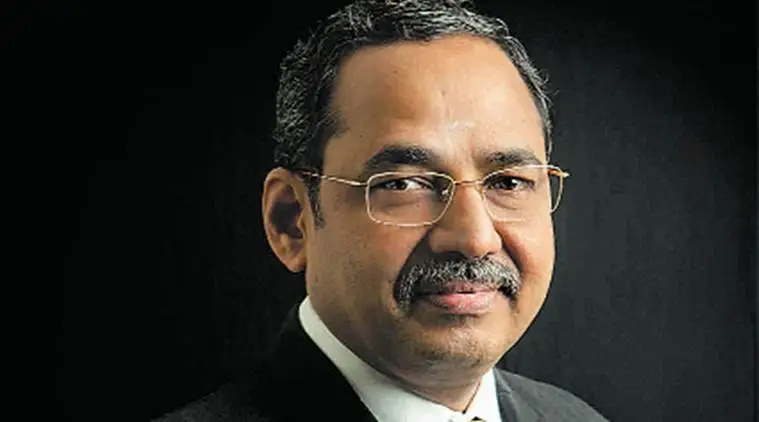
A. Balasubramanian (MD & CEO of Aditya Birla Sun Life AMC) at the Groww India Investor Festival emphasized that India is in the midst of a massive structural shift from saving to investing. His key takeaways highlighted wealth building for the next 100 million investors through financial discipline, strategic asset allocation, and gender-inclusive financial planning.
His actionable insights for long-term investors include:Financialization of Savings: India is witnessing a historic shift as household savings move from physical assets (like gold or real estate) into financial markets. Balasubramanian stressed that asset managers, banks, and capital markets will play a pivotal role as this wealth gets deployed into the economy.
Structured Asset Allocation: He advised investors to maintain a well-defined core and satellite portfolio. For core equity holdings, he recommends broad-based vehicles like flexi-cap funds and large-cap front-line funds that can dynamically invest across market caps.
Gold as an Essential Hedge: While his personal portfolio is heavily weighted in equity SIPs, he continues to recommend allocating 5% to 10% of a portfolio to gold to act as a permanent hedge against global uncertainties and inflation.
Focus on the Core Wealth Journey: Speaking on mutual funds, he highlighted the importance of financial education and empowering new demographics—specifically women and Gen Z—to become independent, confident investors.
Navigating Volatility: Rather than reacting to short-term market noise or geopolitical tensions, Balasubramanian advocates for disciplined investing through Systematic Investment Plans (SIPs) as the most reliable strategy to create long-term, compounding wealth.

Legendary investor Ramesh Damani outlined at the Groww India Investor Festival that India’s long-term bull market remains intact, emphasizing the power of compounding and strategically favoring defense, logistics, and import-substitution sectors to navigate global supply chain shifts.
Here are the key takeaways from his session:
The Power of Compounding: Damani stated that the secret to wealth is learning compounding. “The secret is learn compounding. If you double your money every 3 years, in 10, 30 years time, you’ll have 10 doubles on your portfolio.”, as noted by Instagram.
Bull Market Correction: He believes that recent market fluctuations represent a deep correction within a long-term structural bull market rather than a reversal.
Sector Opportunities: Damani highlighted new asymmetrical warfare and global supply chain shifts. He favors sectors like defense, shipping, logistics, and mining.
Equities vs. Gold: He strongly advocated for long-term equity investing over gold, citing the historical tax advantages of compounding without exit drags.
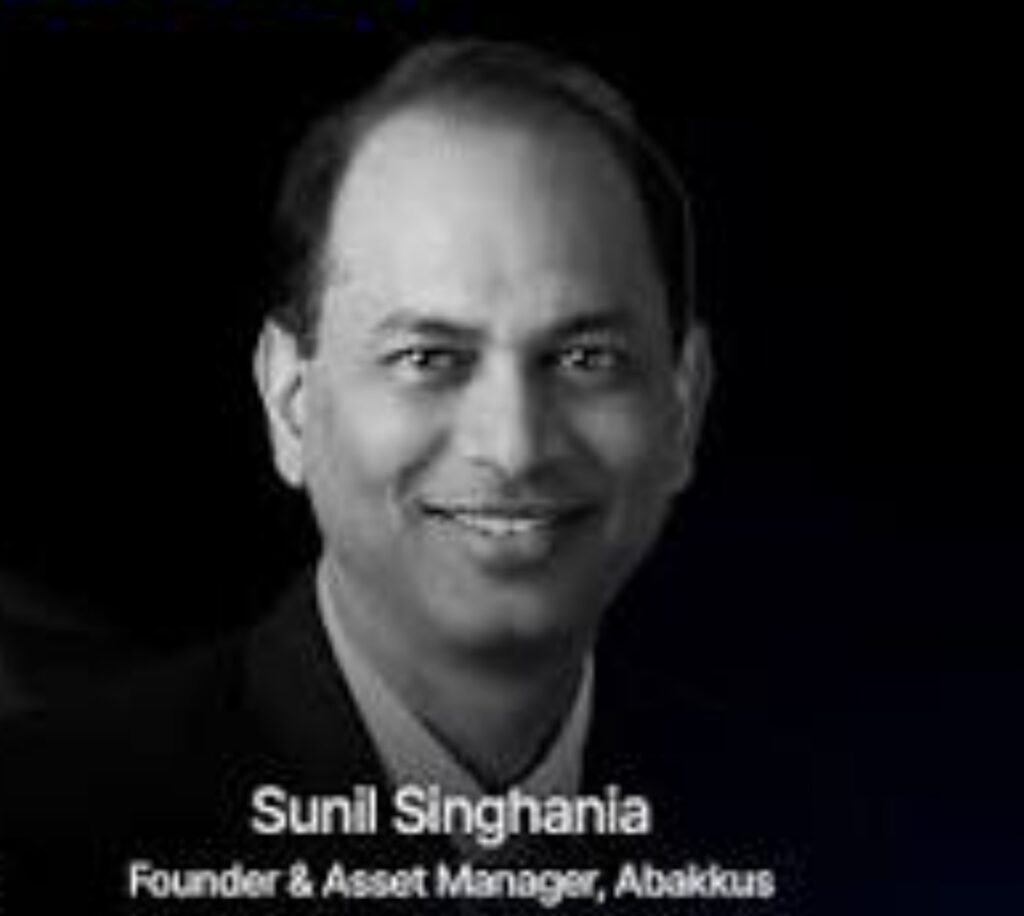
Sunil Singhania’s session “The Antifragile Portfolio: What to own when the world is breaking” at the Groww India Investor Festival emphasizes navigating market volatility through calculated asset allocation and structural resilience.
Key takeaways from the session include:
Embracing the Late-Mover Advantage: Singhania pointed out that India often lags in capital-intensive, cutting-edge technologies like chip manufacturing and data centers. However, “being a later mover in technology can sometimes be advantageous” as India can adopt technologies cost-effectively and focus on the end-use and data consumption.
Capitalizing on Asymmetrical Geopolitical Shifts: Geopolitical tensions like the West Asia crisis have shown the importance of localized supply chains. Singhania highlighted structural opportunities in domestic manufacturing and import substitution, with strong preferences for sectors like Defense, Shipping, Logistics, and Mining.
India’s Macro Resilience: Despite recent market volatility and foreign outflows, Singhania remains highly optimistic about India’s domestic structural growth drivers. He emphasized that India’s potential to deliver “6.5-7% real GDP growth” stands out globally, supported by “domestic demand, demographics, and democracy”.
Long-Term Expectations vs. Market Myths: Singhania advised investors to avoid the myth of expecting 25% annual equity returns. He emphasized setting realistic expectations and maintaining patience, noting that staying fully confident in the underlying economy and asset class during corrections is essential.
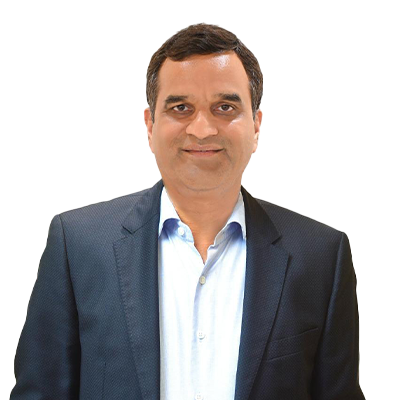
At the Groww India Investor Festival 2026, Madhusudan Kela of MK Ventures highlighted the importance of long-term conviction, disciplined selectivity, and navigating market cycles by ignoring short-term noise. Key takeaways included fostering a personalized investment framework based on research, capitalizing on India’s structural growth, and applying the “Jhunjhunwala” rule of deep deliberation before buying or selling assets.
On factors driven by domestic resilience –
Rising per capita income fuels consistent multi-decade consumption across sectors. [1]
Structural economic growth provides a stable cushion against global macro volatility.
Strong corporate balance sheets reduce systemic default risks in market downturns.
Robust domestic inflows from retail SIPs counteract foreign institutional selling.
On importance of long-term conviction, disciplined selectivity, and navigating market cycles by ignoring short-term noise.
Master the “Jhunjhunwala” Rule
Think 20x before buying: Research a business deeply before allocating capital.Think 50x before selling: Do not liquidate quality stocks during temporary macro drawdowns.
Commit to compounding: True wealth multiplies over decades, not quarters.
Focus on Earnings Leadership
Track bottom-line growth: Stock prices inevitably follow structural corporate earnings over 5–10 years.
Ignore daily price tickers: Disconnect stock price movements from underlying business value.
Practice Disciplined Selectivity
A roaring bull market hides structural flaws, making strict stock filtering essential.
Avoid FOMO Buying
Say no often: Reject 95% of hyped investment ideas to protect capital.Demand margin of safety: Never overpay for growth, even in popular sectors.
Filter out noise: Focus only on high-conviction ideas that fit your specific framework.
Target Structural Winners
Assess management quality: Invest exclusively in promoters with clean governance records.
Evaluate pricing power: Choose companies capable of passing rising input costs to consumers.
Navigate Market Cycles
Market corrections are structural health checks, not permanent capital destruction events.
Tune Out Short-Term Noise
Filter global headlines: Geopolitical tensions and Federal Reserve rate tweaks create transient noise.
Exploit panic windows: Use sharp, sentiment-driven market corrections to accumulate premium assets cheaper.
Maintain Asset Allocation
Rebalance with discipline: Trim overvalued equities to build cash buffers systematically.Deploy cash strategically: Inject liquidity into the market when maximum pessimism hits.
4. Leverage Domestic Resilience
India’s shifting financial landscape provides a structural safety net for long-term investors.
Capitalise on the SIP Shield
Counteract FII selling: Predictable, monthly domestic retail inflows absorb foreign institutional offloading.
Stabilise market floors: Continuous local liquidity prevents deep, prolonged index crashes.
Ride Macro Tailwinds
Leverage clean balance sheets: Corporate India maintains low leverage, reducing bankruptcy risks.
Monetise rising consumption: Growing per capita income drives secular demand in banking, manufacturing, and infrastructure.
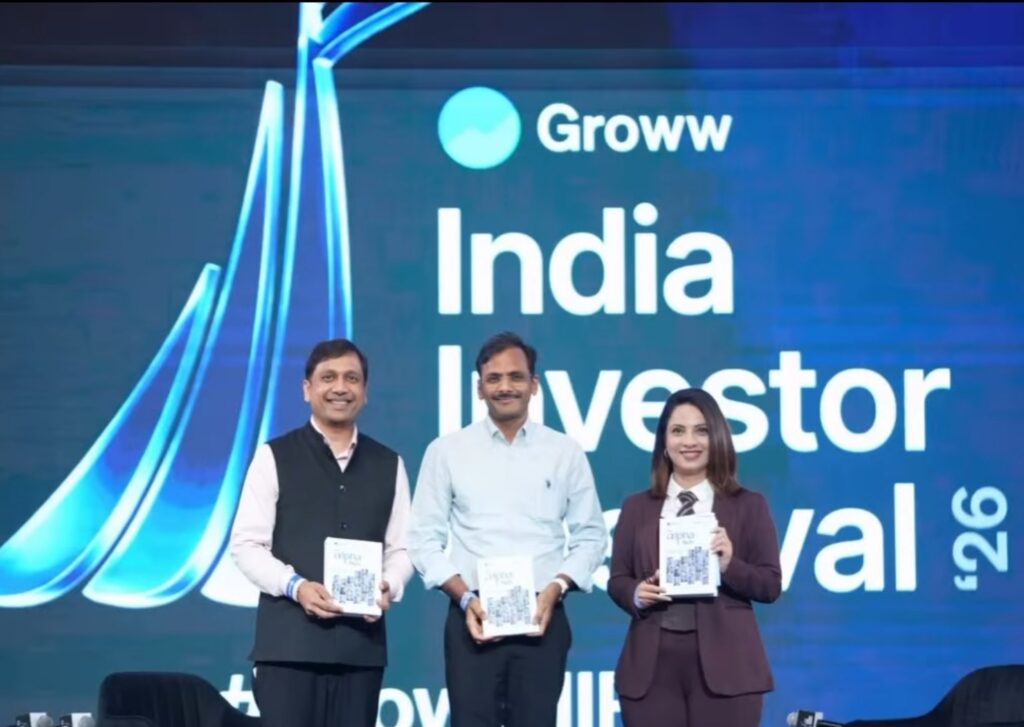
At the Groww India Investor Festival in Mumbai, veteran investors Vikas Khemani and Pankaj Tibrewal detailed how the “smart money” identifies bargains before the rest of the market. They emphasized that successful investing requires a disciplined framework and independent thinking, rather than blindly following trends.
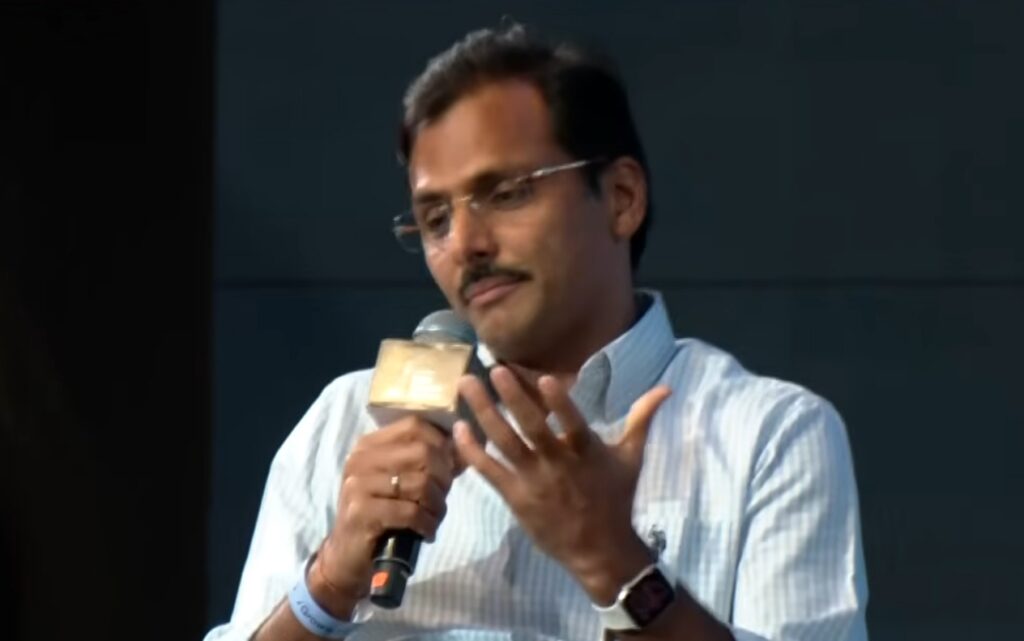
Investors Pankaj Tibrewal and Vikas Khemani discuss navigating a high-inflation environment, favoring hard assets, and the importance of personal conviction over copied investment strategies at the Groww India Investor Festival. The panel notes that while top-tier companies with strong balance sheets will benefit from structural economic shifts, investors should avoid the “borrowed conviction” trap and maintain cash reserves for market volatility.
Key Takeaways
Borrowing Conviction Fails: You cannot build wealth using someone else’s conviction. As Vikas Khemani noted, “Research can be copied. Conviction cannot”. Independent research is crucial for weathering market downturns.
Look for Unpopular Pockets: True bargains are found when high-quality businesses undergo temporary distress. Smart money avoids crowded trades and looks for businesses where the fundamental long-term story remains intact but the price has dropped due to short-term cyclical headwinds.
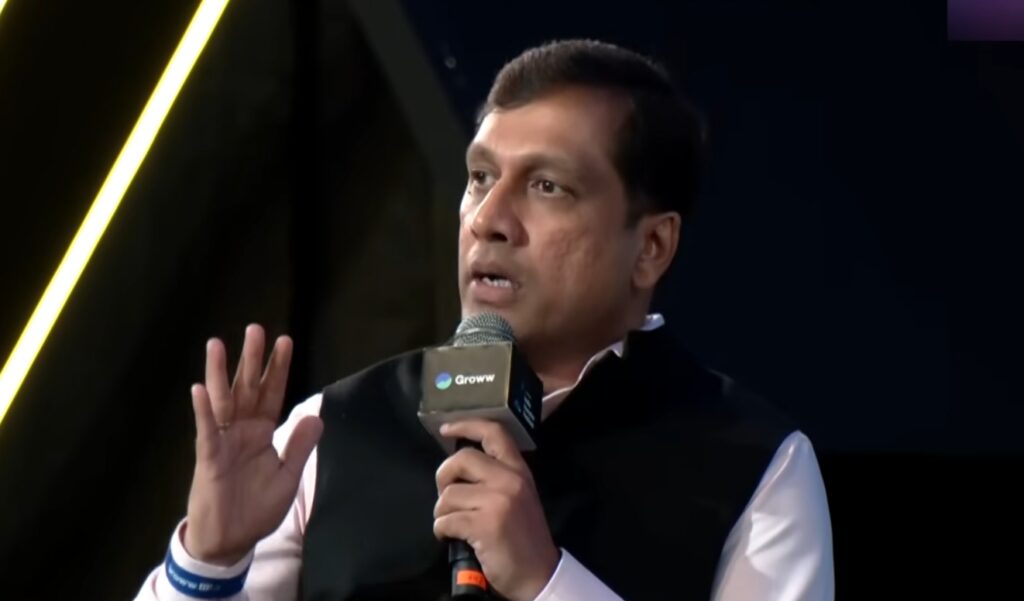
Focus on Management Pedigree: During market corrections or value hunting, the quality, capital allocation track record, and corporate governance of a company’s leadership are critical factors for long-term survival and growth.
Embrace the Uncomfortable Middle: Finding bargains requires patience and a long-term time horizon. The market often punishes stocks before recognizing their true value, requiring investors to hold firm during volatile phases.
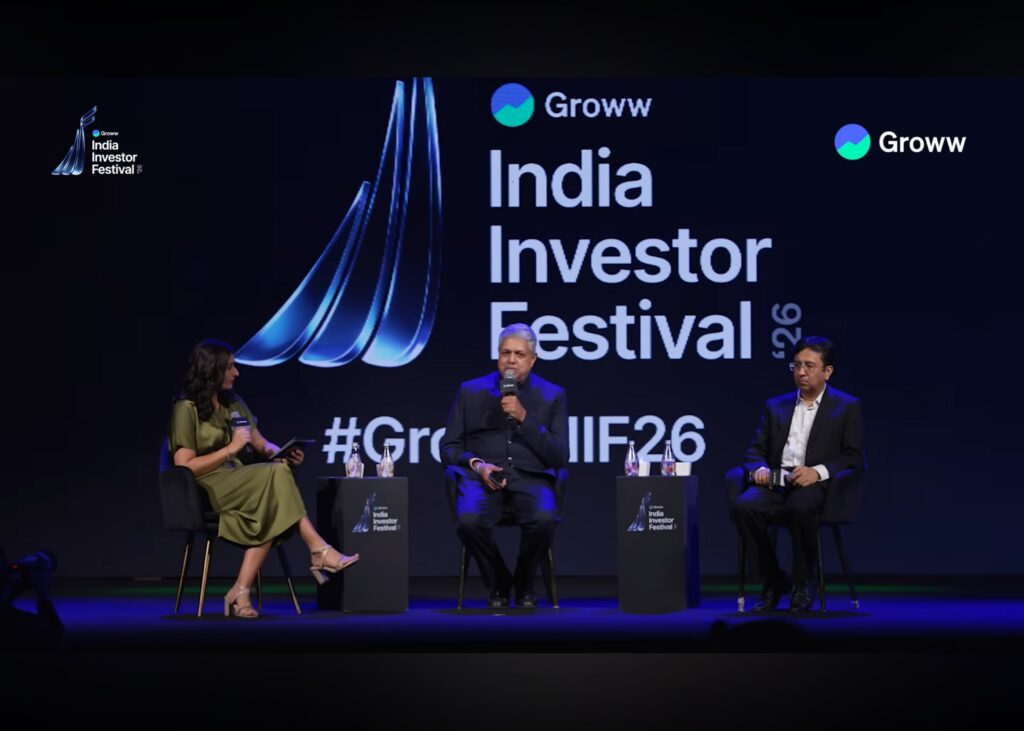
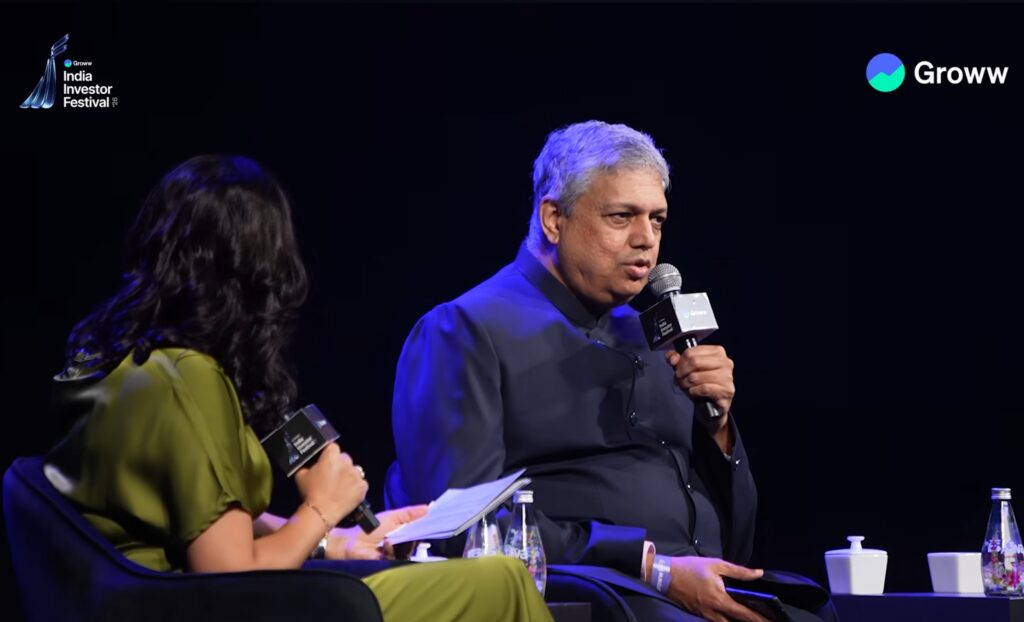
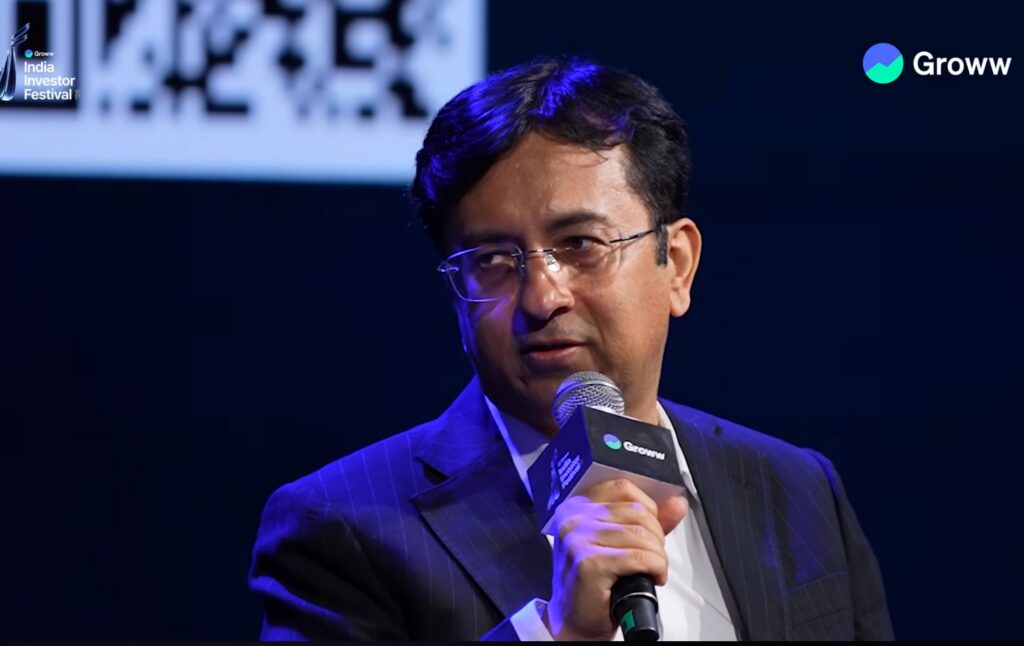
At the Groww India Investor Festival ’26, veteran fund managers Rajeev Thakkar and S Naren discussed navigating high market valuations, emphasizing risk management and a contrarian approach to the IT sector amid AI disruption fears. They advised investors to prioritize valuation discipline and avoid overpaying for hype, distinguishing structural technological advancements from overvalued stock prices.
Managing Capital Loss Arithmetic
The Break-Even Penalty:
Math dictates that starting with ₹100 and losing 50% reduces your corpus to ₹50. Exponential Recovery Hurdles: To recover from that 50% drop, you must achieve a 100% return just to break even.
Extreme Downside Traps: If an investor sustains a 90% drop, they face the uphill challenge of needing a 10x return from that lower base.
Executing Structured Asset Allocation
The Four Portfolio Pillars: Asset weightage must be systematically built around your clear level of conviction, upside potential, risk profile, and eventual exit liquidity.
Goal-Based Horizon Mapping: Short-term 6-month needs demand arbitrage or money market funds, 3-year objectives fit conservative hybrids, while long horizons allow for disciplined equity targets.
The Cash Allocation Shift: Holding tactical cash provides structural stability; fund levels peaking near 25% down to 15% mirror the availability of sensible asset pricing.
Overcoming Structural Market Risks
Growth Durability Versus Value: Far greater structural damage is caused by overestimating the multi-year duration of a sector’s growth than underestimating its entry valuation risk.
The AI and IT Valuation Paradox: Cheap cyclical slowdowns can hide structural traps; look for clean balance sheets but map risk exposure compared to historical benchmarks like Telecom or PSUs.
The Indian Stewardship Model: If a company’s balance sheet cash outstrips its market cap in a bull market, doubt it; practice strict corporate stewardship to verify that capital reality before deploying funds.
Reframing Behavioral Trade Execution
The Switching Mindset Concept: Wipe the word “selling” entirely from your vocabulary and evaluate every market exit strictly as a asset “switch” choice.
Emergency Capital Isolation: Maintaining an emergency corpus serves as a portfolio brake, preventing forced equity liquidations during unexpected personal or cyclical macro shocks.
Avoid Retail Derivative Setups: Historical trends confirm retail investors routinely destroy capital trying to navigate highly leveraged derivative products or full-time trading.